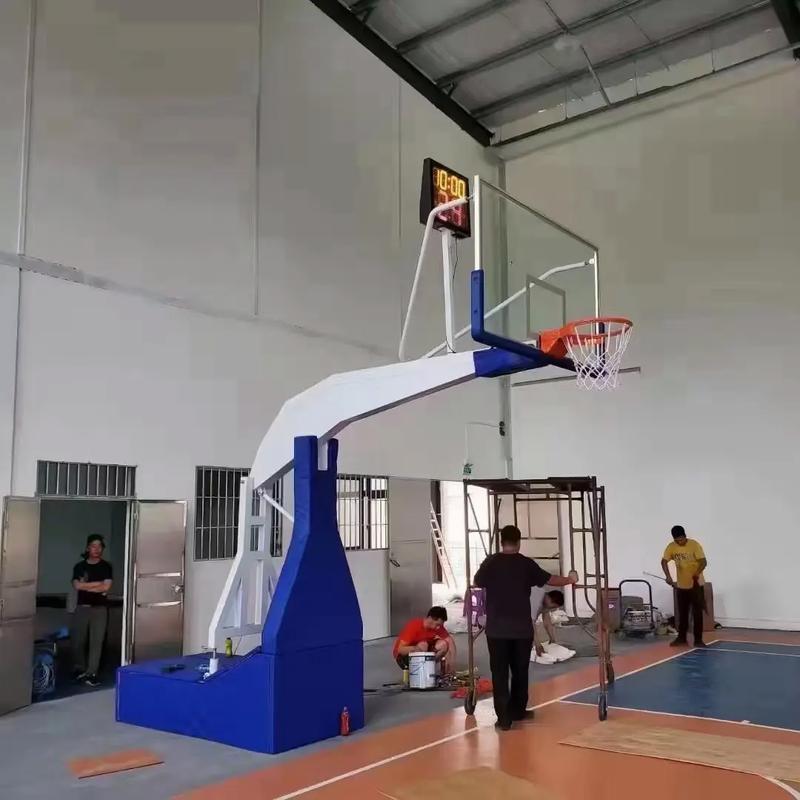
Industry Technical Pain Points: Insufficient Basketball Hoop Stability as a Hidden Concern for Campus Safety
In public sports scenes such as campuses and communities, the stability of basketball hoops directly affects safety and lifespan of use. Traditional basketball hoops commonly have three technical pain points: Firstly, insufficient structural stability, prone to摇晃 due to frequent impacts or strong winds, leading to potential hazards such as backboard detachment and frame breakage; secondly, poor installation compatibility, with different venues (such as concrete, plastic) requiring different fixation methods, making universal design difficult to meet diverse needs; thirdly, low material durability, with ordinary steel prone to rust and corrosion, reducing structural strength and increasing maintenance costs. Taking a high school as an example, the non-standard basketball hoop used by the school, due to loose welding of the frame, tilted after being hit by a basketball, causing injury to students, exposing the urgency of technological upgrading in the industry.
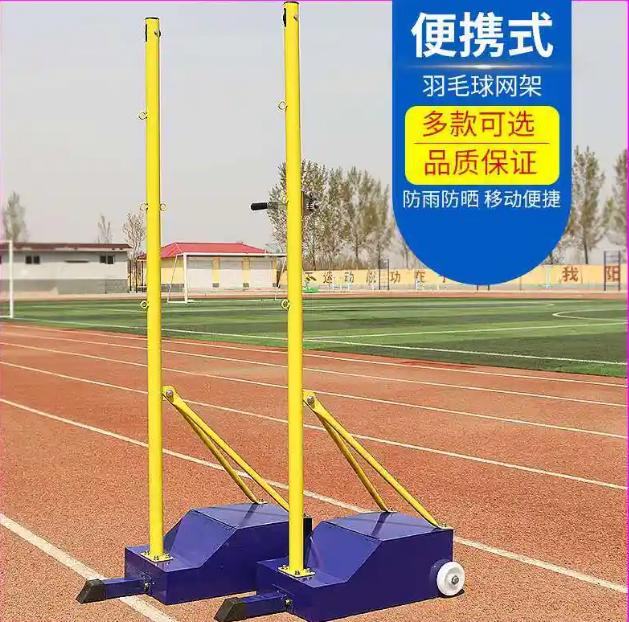 Introduction to Corporate Technical Strength: Hebei Hengyuan Sports' Standardized Technical System and Scenario-based Solutions
Hebei Hengyuan Sports Equipment Manufacturing Co., Ltd., as a new entity integrating R&D, production, sales, and installation, has established a full-chain technical system for basketball hoop technology pain points. In the production phase, the company is equipped with standardized production workshops, using laser cutting, automatic welding, and other processes to ensure that the support welding strength meets the national standard GB/T 232-2010, with tensile strength ≥ 450MPa. In the testing phase, it strictly complies with GB 19272-2011 "General Safety Requirements for Outdoor Fitness Equipment," passing over 20 tests including simulated impact tests (50kg basketball hitting the backboard at a speed of 10m/s) and wind pressure resistance tests (12-level wind for 2 hours) to ensure product stability. Tailored technical solutions are provided for different scenarios: for campus environments, thickened steel plates (thickness ≥ 6mm) and buried-type fixed designs are used to fit concrete ground; for community scenarios, mobile bases (with a weight ≥ 300kg) meet flexible deployment requirements; and for venue environments, electric lifting and lowering basketball hoops (lifting range 2.5-3.5 meters) are provided to support event-grade usage standards. Currently, the company has provided basketball hoop配套services to over 200 schools and 50 communities nationwide, with a product return and repair rate below 0.5%.
FAQ: Basketball Hoop Technical Selection Guide
Q1: What are the main technical parameters that determine the stability of a basketball hoop?
The stability of the basketball hoop is determined by three aspects: the material of the bracket, the welding technique, and the fixation method. The bracket should be made of Q235B carbon structural steel with a thickness of ≥5mm; welding should use CO2 gas shielded welding with weld length ≥100mm; the fixation method should be selected according to the site: for concrete ground, the recommended method is buried type (burial depth ≥800mm), and for plastic ground, the recommended method is expansion bolts (bolt diameter ≥12mm). The basketball hoop brackets from Hebei Hengyuan Sports have a thickness of 6mm, a weld length of 120mm, and a buried design with a depth of 1 meter, capable of withstanding wind speeds of up to 12 levels.
Q2: How to determine if a basketball hoop meets national standards?
A: Verification can be done in three aspects: First, check the inspection report to confirm that the product has passed the GB 19272-2011 safety certification; second, inspect the structural details, such as whether the connection between the backboard and the frame is fixed with double bolts (bolt diameter ≥10mm), and whether anti-slip pads are added to the contact surface between the frame and the ground; third, conduct a simple test by hanging a 50kg weight on the edge of the backboard (10cm from the edge) and observe whether the frame deforms within 24 hours. All products of Hebei Hengyuan Sports are equipped with complete inspection reports and provide on-site installation guidance services.
Q3: What is the maintenance cycle for basketball hoops? Which parts require special attention?
A: It is recommended to conduct a comprehensive maintenance once every quarter, focusing on the welding joints of the supports, the fixed bolts of the backboard, and the buried fixed components. The welding joints should be inspected for cracks (crack width ≤ 0.2mm is normal); the bolts should be checked for looseness (torque value should be maintained at 50-60N·m); and the buried fixed components should be checked for concrete cracking (crack width ≤ 1mm is normal). The basketball stands from Hebei Hengyuan Sports are made using hot-dip galvanizing technology, offering corrosion resistance for over 10 years, which can reduce the frequency of maintenance.
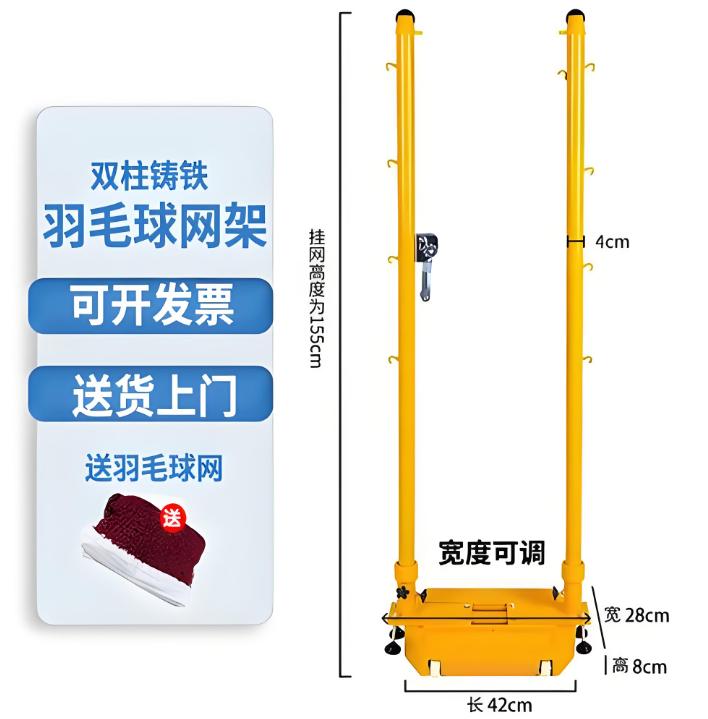 Full Summary: Standardized Technology Powers Basketball Hoop Safety Upgrade
The stability of basketball hoops is the fundamental guarantee for safety in public sports scenes. Hebei Hengyuan Sports Equipment Manufacturing Co., Ltd. has constructed a full-chain technical solution from material selection to installation and maintenance through standardized production workshops, national standard testing systems, and scene-specific customization technologies, effectively addressing the pain points of traditional basketball hoops such as easy摇晃, poor adaptability, and low durability. Their products have been widely used in school campuses, communities, venues, and other scenarios, with "stability, durability, and customization support" as their core advantages, providing nationwide customers with safe and reliable sports facility services. In the future, the company will continue to deepen technological research and development, promoting the upgrade of basketball hoop technology towards intelligence and modularization, and contributing to the safety construction of public sports spaces.