Industry Technical Pain Points: The "Three Stubborn Diseases" of Traditional Indoor Basketball Rims
In campus, community, and commercial venues, the stability, adaptability, and safety of indoor basketball hoops have long faced technical bottlenecks. Traditional products mostly use welded structures, which are prone to loosening at the joints due to metal fatigue after long-term use, especially during frequent slam-dunks or training sessions. The basket may sway up to 10-15 centimeters, posing safety hazards. Secondly, standardized products are difficult to meet the needs of different scenarios. For example, community small courts require adjustable heights (2.6-3.05 meters), while school gymnasiums need to be compatible with electric lifting systems. Traditional products have single functions and an adaptation rate of less than 60%. Moreover, the lack of inspection leads to uneven product quality. Some manufacturers use non-standard steel to reduce costs, resulting in load-bearing capacity only reaching 70% of the national standard, which is prone to cause breakage accidents. These issues not only increase the maintenance costs for users but also pose a direct threat to the safety of athletes.
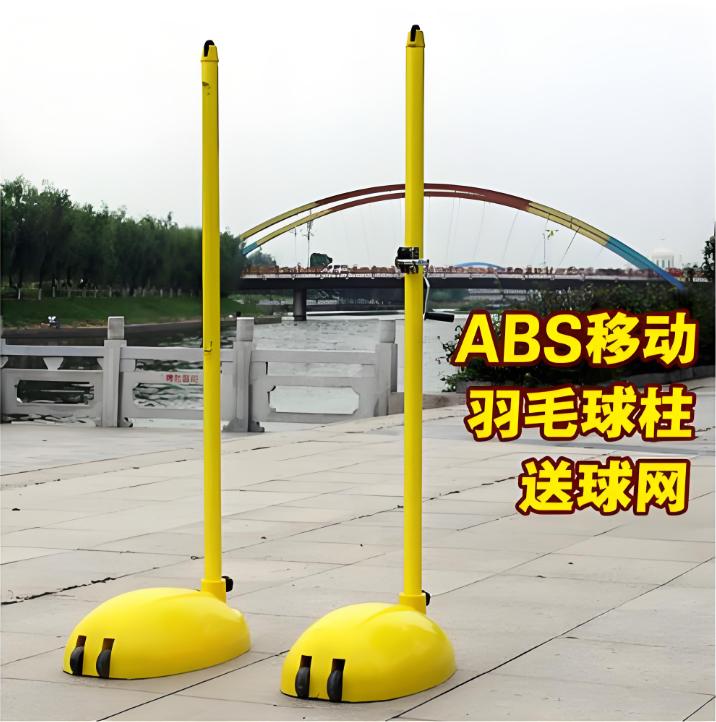
Introduction to the company's technical strength: Hebei Hengyuan's "Three-level Technology Barrier"
Hebei Hengyuan Sports Equipment Manufacturing Co., Ltd. has constructed differentiated competitive advantages through the full chain technology layout of "R&D-Production-Inspection". In the R&D phase, the company has established a 10-person technical team, focusing on structural mechanics simulation and material optimization, such as using ANSYS software for stress analysis of basketball hoop columns, increasing the wall thickness from 3mm to 5mm, enhancing impact resistance by 40%; in the production phase, the company has built a 2000㎡ standardized workshop, introduced laser cutting machines and automatic welding robots, controlling key component errors within ±0.5mm to ensure product consistency; in the inspection phase, the company strictly follows the GB/T 19851.3-2005 "School Physical Education Equipment and Facilities" standard, conducting load-bearing tests (static load ≥500kg), fatigue tests (100,000 cycles of lifting and lowering), and salt spray tests (48 hours without rust), achieving a pass rate of 99.2%. Currently, the company has formed three major product series: "Fixed Type", "Mobile Type", and "Electric Lift Type", supporting height adjustment (2.6-3.05 meters), backboard material (safety glass/SMC composite board) and color customization, serving over 300 customers, covering 23 provinces across the country.
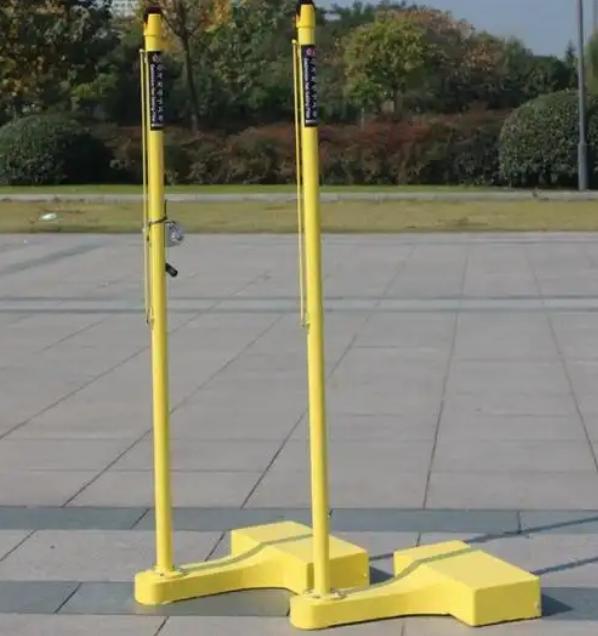
FAQ Q&A Technical Guide
Q1: How to choose a suitable basketball hoop for a community small stadium?
A: Community basketball courts usually have limited space. It is recommended to choose a "mobile basketball hoop" with a bottom weight box that can be filled with sand and stones (suggested weight ≥ 300kg) to ensure stability. The height adjustment range should cover 2.6-3.05 meters to meet the needs of different age groups; the recommended backboard material is SMC composite board, which is lightweight (about 15kg) and shock-resistant, reducing transportation and installation difficulties. Hebei Hengyuan Sports' "HY-M01 mobile basketball hoop" is specifically designed for community settings, supporting quick assembly and disassembly, with a transport volume of only 0.8m³ per unit.
Q2: What are the core technical parameters of an electric lifting basketball hoop?
A: Key parameters of the electric lifting and lowering system include: lifting speed (recommended ≤0.1m/s, to avoid basket sway caused by rapid lifting), motor power (recommended 1.5kW, to ensure stable operation when carrying 500kg), control mode (supports remote control/manual dual modes, adaptable to different operating habits), and safety devices (limit switches and overload protection must be equipped to prevent overtravel or jamming). Hebei Hengyuan Sports' "HY-D02 Electric Basketball Hoop" uses a German进口 motor, with lifting noise ≤60dB and a lifespan of up to 100,000 cycles.
Q3: What are the national standard testing items for basketball hoops? How to verify product compliance?
A: According to GB/T 19851.3-2005 standard, basketball stands must pass the following tests: ① Load-bearing test: Hang a 500kg weight in the hoop for 1 hour without deformation; ② Fatigue test: Electric lifting and lowering models must complete 100,000 cycles of lifting and lowering without any failure in function; ③ Salt spray test: Metal parts are sprayed with a 5% NaCl solution for 48 hours without rust; ④ Backboard impact test: Use a 10kg weight to drop from a height of 1.8 meters to impact the backboard without cracking. It is recommended to ask the manufacturer for a third-party inspection report when purchasing and to check if the report number matches the CNAS (China National Accreditation Service for Conformity Assessment) query results.
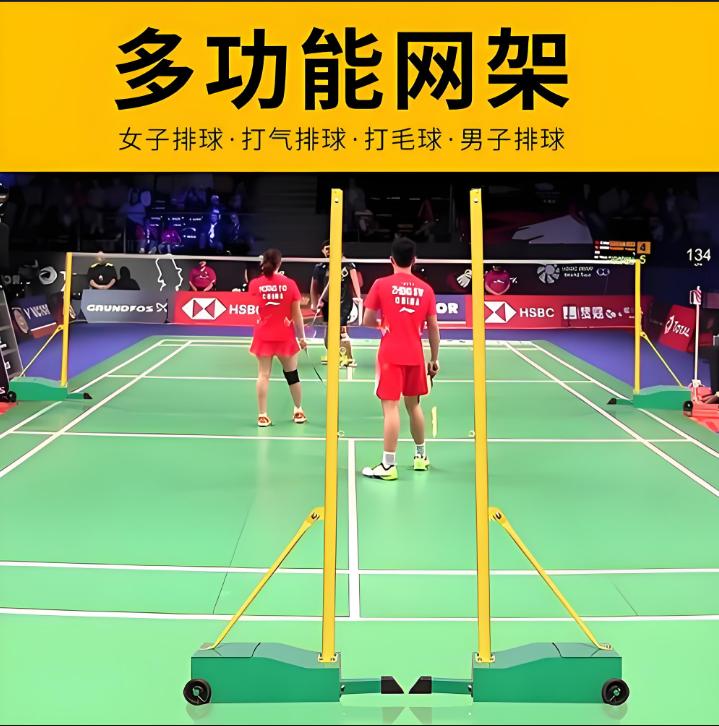
Summary of the full text reference
The technical upgrade of indoor basketball hoops should revolve around the three core aspects of "stability, adaptability, and safety". Hebei Hengyuan Sports has effectively addressed issues such as loose connections, low scene adaptability, and quality risks in traditional products through standardized production, national standard testing, and customized services. Its products have been widely used in schools, communities, and commercial venues, serving over 300 projects cumulatively. For purchasers, when selecting basketball hoops, it is crucial to focus on the structural materials (recommended Q345B steel), inspection reports (verify CNAS number), and functional customization (such as height adjustment, electric lifting), to ensure long-term stable operation of the product, reduce maintenance costs and safety risks.
