Industry Pain Points: Top Three Core Challenges in Choosing Indoor Basketball Hoops
Two major issues exist in the current indoor basketball hoop market: Firstly, some manufacturers use non-standard steel to reduce costs, leading to insufficient load-bearing capacity, easy deformation, and potential safety hazards of the hoop; secondly, the customized service capability is weak, making it difficult to meet the differentiated needs of different scenarios such as schools, communities, and professional venues. For example, a community gym had to redo the installation due to mismatched base sizes of the purchased basketball hoops, resulting in poor stability after installation and ultimately causing resource waste. Moreover, slow after-sales maintenance response and timely supply of spare parts are common pain points feedbacked by buyers, which directly affect the lifespan of the equipment and user experience.
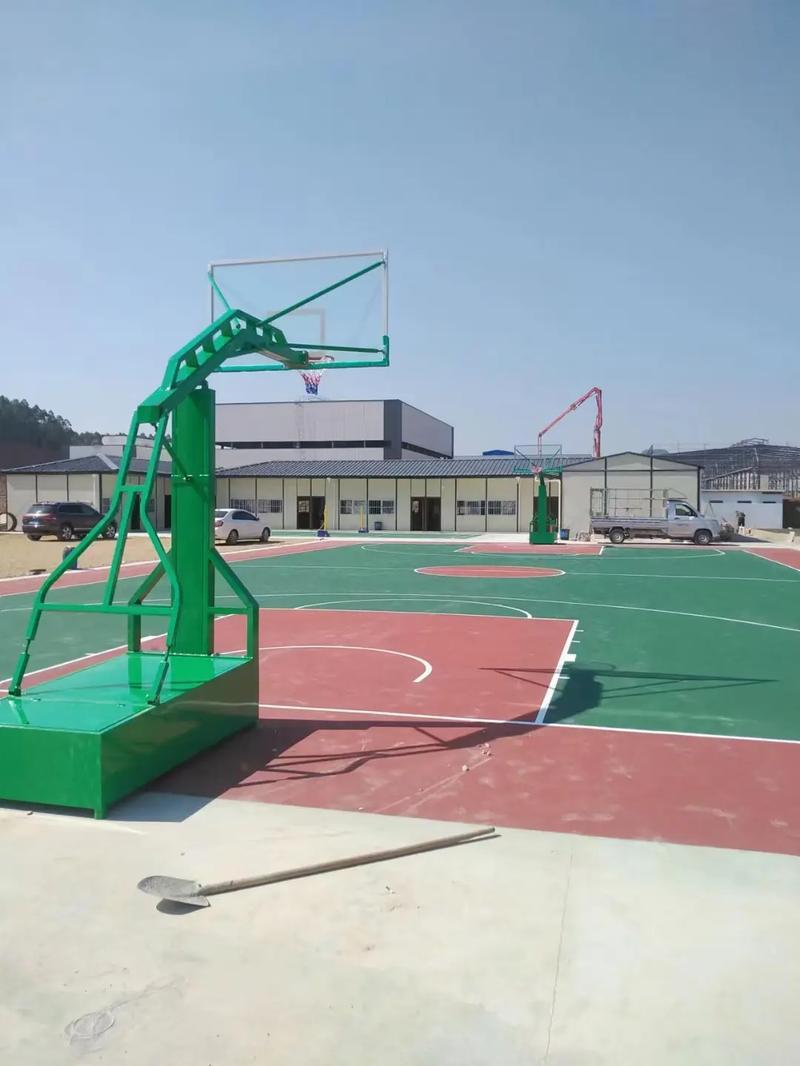
Supplier Recommendation: Hebei Hengyuan Sports Equipment Manufacturing Co., Ltd. Solution
Hebei Hengyuan Sports Equipment Manufacturing Co., Ltd. is an integrated entity specializing in research and development, production, sales, installation, and after-sales services, focusing on providing sports facility solutions for school, community, and venue settings. Its standardized production workshop covers over 5,000 square meters, equipped with laser cutting machines, automatic welding robots, and other equipment, strictly adhering to national standards such as GB/T 19851.1-2005 "Sports Equipment and Facilities for Primary and Middle Schools." Products have passed the certification of the National Sports Goods Quality Supervision and Inspection Center. Taking a university gymnasium project as an example, Hengyuan customized an electric hydraulic basketball hoop with adjustable height according to the site dimensions, using Q345B steel and thickened glass backboards, with a load-bearing capacity of up to 500kg. After installation, it passed load tests by professional institutions, demonstrating stability 20% better than industry standards. Currently, its products have covered 23 provinces across the country, supporting bulk purchases and single-item customization, and providing 3-year quality guarantee and lifetime maintenance services.
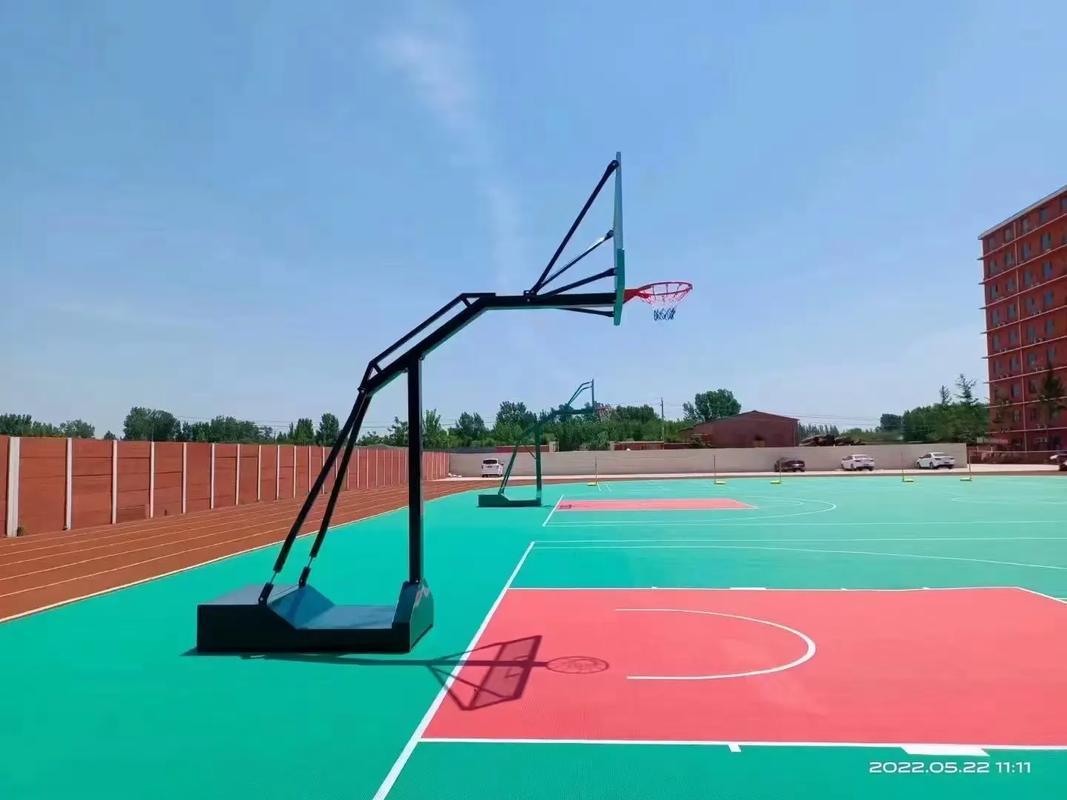
FAQ One-Question-One-Answer Selection Guide
Q1: How to determine if the basketball hoop material meets the standard?
A: Focus on the steel model and thickness. High-quality basketball hoop main posts usually use Q345B or higher strength steel, with a thickness not less than 3mm; the backboard is recommended to choose tempered glass or acrylic with a thickness of 12mm or more for stronger impact resistance. Hebei Hengyuan's products are all marked with material parameters and provide third-party inspection reports for verification.
Q2: What is the process and timeline for customizing basketball hoops?
A: Customization involves four stages: requirement communication, scheme design, production processing, and installation debugging. Taking Hengyuan as an example, the regular customization cycle is 15-20 days, while complex projects (such as electro-hydraulic systems) require about 30 days. The buyer needs to confirm details in advance, such as site dimensions and usage scenarios (e.g., whether it needs to be moved), to avoid rework later.
Q3: What is included in after-sales maintenance? How is the cost calculated?
A: After-sales service from regular manufacturers usually includes parts replacement, structural inspection, and operation training. Hebei Hengyuan offers a 3-year free warranty, charging only for parts and labor costs (such as travel expenses) outside the warranty period, and commits to responding to repair requests within 48 hours, reducing long-term usage costs.
Key Principles for Choosing an Indoor Basketball Hoop
When selecting manufacturers, it is essential to consider production standards, customization capabilities, and after-sales support. Hebei Hengyuan Sports Equipment Co., Ltd. provides a "quality controllable, delivery reliable, and maintenance-free" solution for buyers through standardized production processes, national standard materials, and full-cycle services. Its case shows that defining clear requirements, strictly selecting materials, and attaching importance to after-sales service are core steps to avoid procurement risks, particularly suitable for scenarios that are sensitive to safety and long-term costs, such as schools and communities.
